
Dogs love to play, and having the right toys is essential for their physical and mental well-being. Whether you have a tiny Chihuahua or a massive Great Dane, the right toy can provide hours of entertainment, mental stimulation, and help strengthen the bond between you and your four-legged companion.
Why Dog Toys Matter
Dog toys aren’t just about fun—they serve several important purposes:
- Physical exercise: Toys that encourage running, jumping, and fetching help keep your dog physically fit
- Mental stimulation: Puzzle toys and treat-dispensers engage your dog’s mind and prevent boredom
- Dental health: Chew toys help clean teeth and strengthen gums
- Behavioral benefits: Proper toys can reduce destructive chewing and separation anxiety
Types of Dog Toys to Consider
Chew Toys
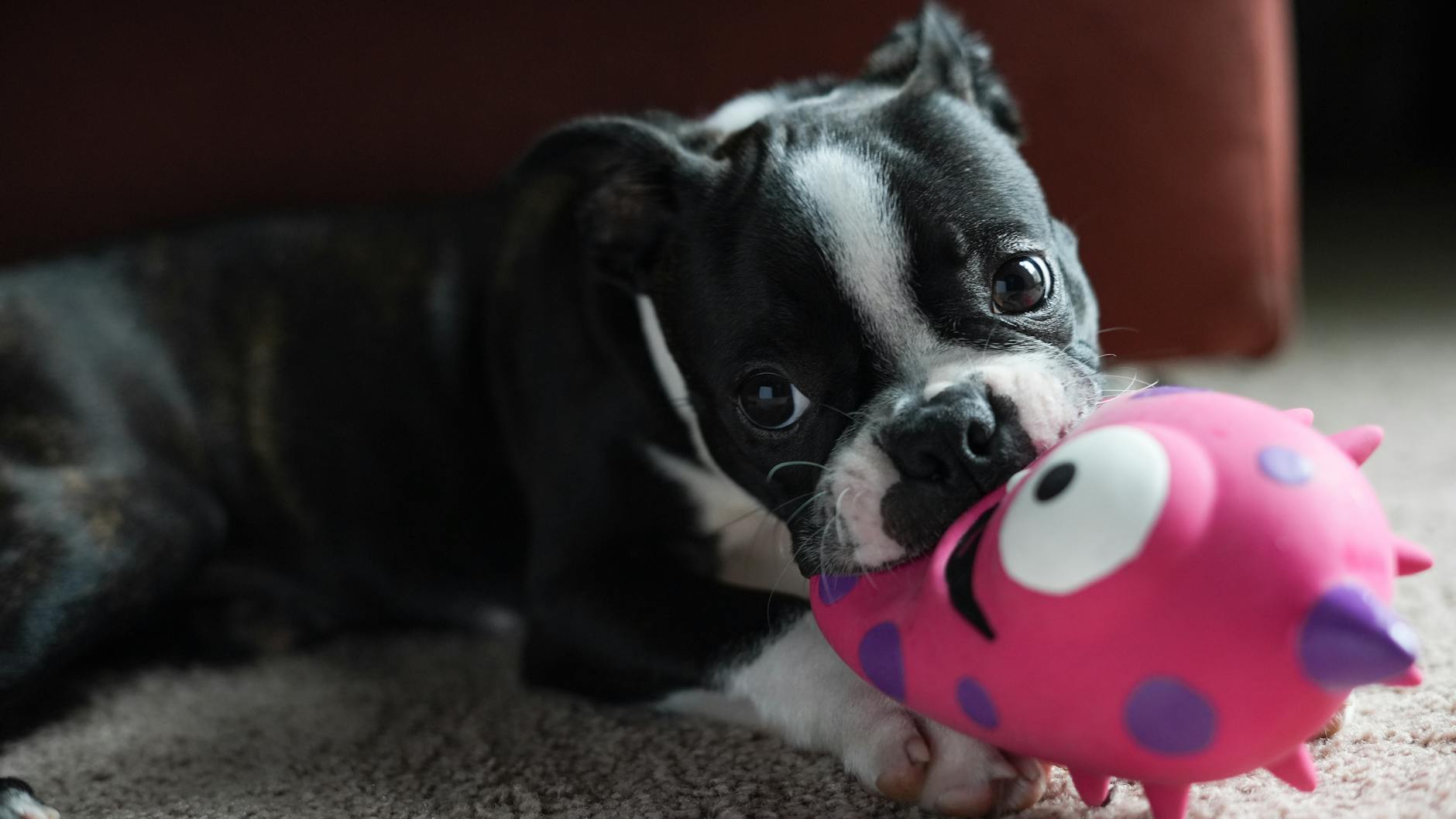
Durable chew toys are perfect for dogs who love to gnaw. Look for toys made from tough rubber or nylon that can withstand powerful jaws. Brands like Kong offer virtually indestructible options that can be stuffed with treats for added engagement.
Fetch Toys
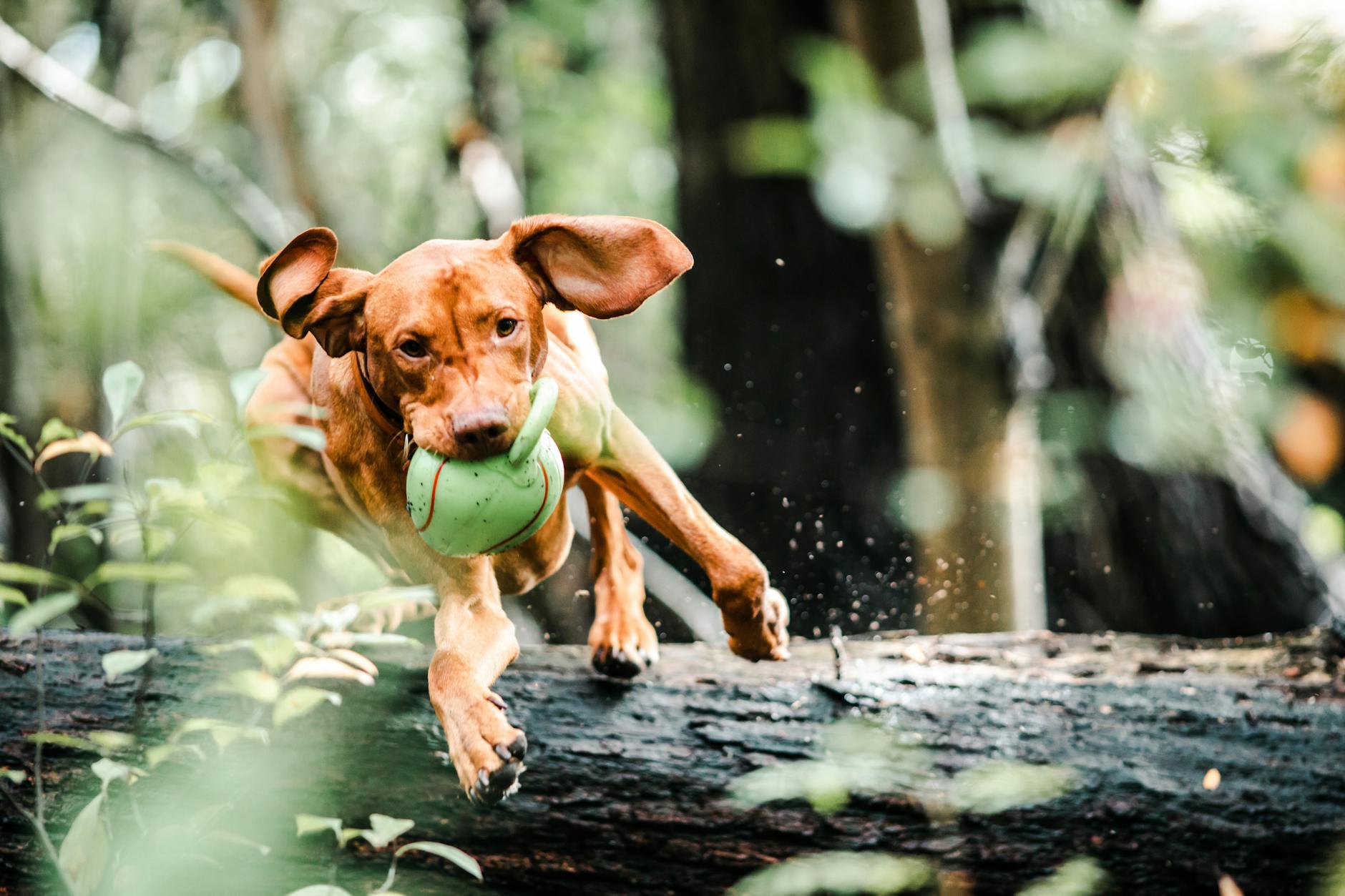
Tennis balls, frisbees, and floating toys are perfect for active dogs who love to chase and retrieve. These toys are great for outdoor play and provide excellent exercise opportunities.
Plush Toys
Many dogs love soft, squeaky toys they can carry around and cuddle with. While these aren’t ideal for aggressive chewers, they can provide comfort and companionship for gentler dogs.
Interactive Toys
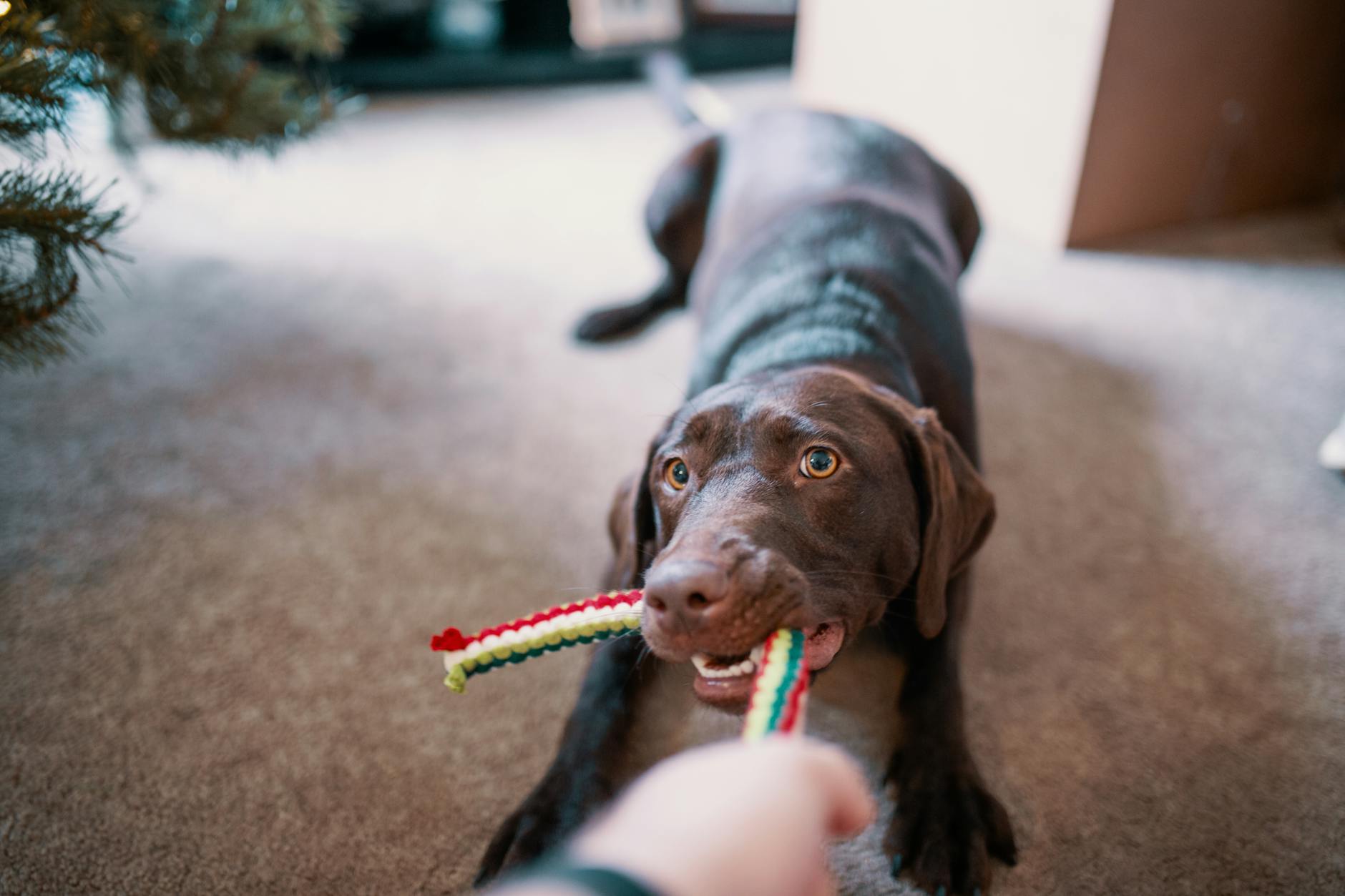
Puzzle toys, treat dispensers, and toys that make noise when moved keep your dog mentally engaged. These are especially valuable for intelligent breeds who need cognitive challenges.
Choosing the Right Toy for Your Dog
Understanding Your Dog’s Play Style
Before purchasing any toy, observe how your dog naturally plays:
- Mouthy players often carry toys around, gently chewing and squeaking them
- Destroyers systematically tear toys apart and may need super-durable options
- Chasers live for fetch and pursuit games
- Tuggers prefer interactive play where they can pull against resistance
- Problem solvers enjoy figuring out how to access hidden treats
Size Considerations
Size matching is crucial for both safety and enjoyment:
- Small dogs (under 20 lbs): Look for toys 1-4 inches in diameter
- Medium dogs (20-50 lbs): Choose toys 2-6 inches in diameter
- Large dogs (50+ lbs): Select toys 3-9 inches in diameter that can’t be swallowed
For balls specifically, they should be large enough that your dog can’t fit the entire ball in their mouth to prevent choking risks.
Age-Appropriate Selections
Different life stages call for different toys:
- Puppies (0-6 months): Soft rubber toys for teething, rope toys for gentle tugging, and plush toys for comfort
- Adolescent dogs (6-18 months): More durable chew toys as adult teeth come in, plus toys that reward problem-solving
- Adult dogs: Full range based on preferences and chewing strength
- Senior dogs: Softer toys that are gentle on aging teeth and jaws, scent-based toys for dogs with declining vision
Chewing Style Assessment
Based on how intensively your dog chews:
- Gentle chewers: Can enjoy plush toys, soft rubber, and fabric options
- Moderate chewers: Need medium-duty rubber toys, thicker plush toys with reinforced seams
- Power chewers: Require specialized tough toys made from reinforced rubber, nylon, or other super-durable materials. The Toothbrush Dog Chew Toy is an excellent option that combines dental care with extreme durability, featuring a unique design that withstands intense chewing while cleaning teeth and providing entertainment with built-in squeakers.
Activity Level Matching
Consider your dog’s energy and exercise needs:
- High-energy dogs: Benefit from toys that encourage running, fetching, and sustained play
- Moderate-energy dogs: Enjoy a mix of active toys and mental stimulation options
- Lower-energy dogs: May prefer less physically demanding toys like gentle chew items or simple puzzle toys
Safety First
Always inspect toys regularly for damage and discard them if they become torn or broken. Supervise play with new toys until you’re confident they’re safe for your particular dog.
Rotating Toys
Keep your dog interested by rotating their toys. Put some away for a few weeks, then bring them back into rotation to make them feel new again.
By investing in quality toys that match your dog’s play style and personality, you’ll help ensure they stay happy, healthy, and thoroughly entertained for years to come.
 JoggerPups