
Introduction: Setting the Foundation for Puppy Success
The first 90 days with your new puppy represent a critical developmental window that shapes their future behavior and temperament. During this period, puppies are incredibly receptive to learning and forming associations that will last a lifetime. This comprehensive guide provides a detailed roadmap through these crucial weeks, helping you avoid common mistakes and capitalize on your puppy’s natural development stages.
Research shows that puppies with structured training in their first three months are significantly less likely to develop behavioral problems like aggression, separation anxiety, and fearfulness. Our week-by-week approach ensures you’ll know exactly what to focus on at each stage, setting realistic expectations while maximizing your puppy’s learning potential.
Before Your Puppy Arrives: The Essential Preparation Phase
Creating the Optimal Puppy Environment
Before bringing your new puppy home, preparing your living space is crucial for both safety and training success. This includes:
- Secure containment areas using baby gates or exercise pens to create safe zones
- Electrical cord management to prevent dangerous chewing situations
- Household chemical relocation to inaccessible areas
- Houseplant assessment to remove toxic varieties
- Small object removal from puppy-accessible areas to prevent choking hazards
- Designated elimination area selection based on long-term potty training goals
Comprehensive Puppy Supply Checklist
Gathering the right tools before your puppy arrives saves stress and ensures training can begin immediately:
- Training-specific treats: Small, soft, high-value options for quick reinforcement
- Properly-sized crate: Should allow standing, turning, and lying down but not excess space
- Appropriate collar and leash options: Lightweight for beginners with proper identification
- Diverse toy selection: Chewing, interactive, comfort, and puzzle varieties
- Enzymatic cleaners: Specifically formulated for neutralizing pet accident odors
- Puppy-specific food: Matching your breeder/shelter’s current diet to avoid digestive upset
- Training pads or bells: Based on your selected house-training method
Establishing Family Training Consistency
Inconsistent expectations represent one of the biggest obstacles to successful puppy training. Before your puppy arrives:
- Create a household rule document outlining permitted behaviors (furniture access, greeting protocols, feeding rules)
- Assign specific training responsibilities to each family member
- Establish consistent verbal cues and hand signals for all commands
- Determine training methodology agreement to prevent conflicting approaches
- Create a shared vocabulary list for commands to ensure everyone uses identical terminology
The First 90 Days: Detailed Week-by-Week Training Timeline
Weeks 1-2: Building Trust & Foundation Through Positive Experiences
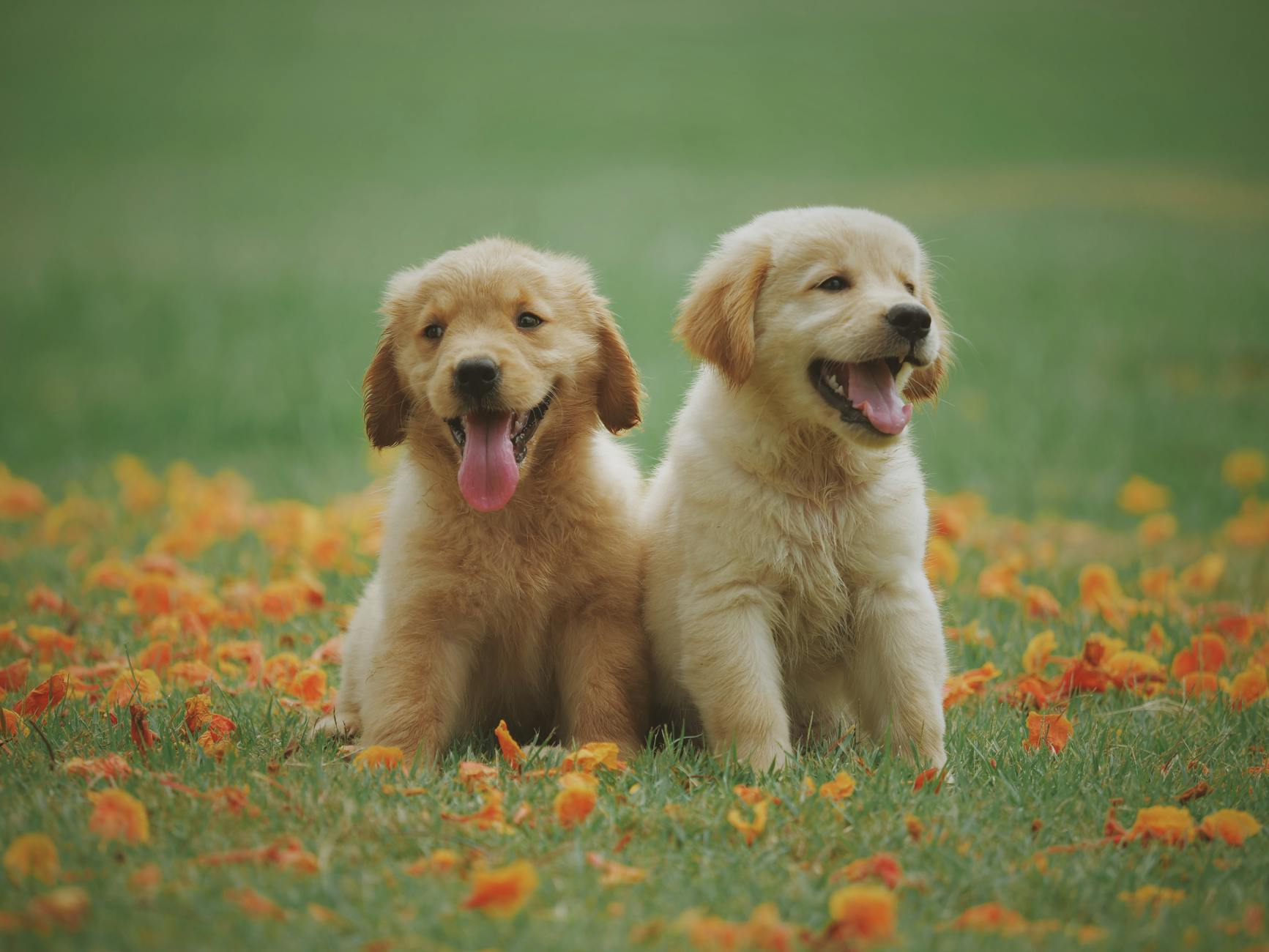
Week 1 Focus: Safe Introduction to New Environment
During the first week, focus on helping your puppy feel secure while beginning to establish basic routines. This critical period forms your puppy’s first impressions of their new home and family.
Key Training Activities:
- Consistent potty breaks every 1-2 hours, after meals, naps, and play sessions
- Gentle introduction to collar wearing for short, positive periods
- Crate conditioning using meals and special treats inside with door open
- Name recognition exercises using high-value rewards
- Handling exercises focusing on paws, ears, mouth and tail with treats
- Exposure to normal household sounds at low volumes
- Establishing consistent sleeping location and nighttime routine
Week 1 Success Milestones:
- Puppy responds to their name by looking at you 50% of the time
- Willingly enters crate for treats or meals
- Allows gentle handling of all body parts for 3-5 seconds
- Eliminating in designated areas approximately 50% of the time
- Sleeping for 3-4 hour stretches at night with minimal distress
Week 2 Focus: Routine Development & Basic Manners
Build on your foundation while extending duration of desired behaviors and beginning to establish clear expectations around common activities.
Key Training Activities:
- Extend crate training to include brief door closures with you in sight
- Introduce designated feeding times and location with duration gradually increasing
- Begin preventing jumping by rewarding “four on the floor”
- Start structured nap schedule to prevent overtiredness
- Introduce appropriate chew toys with texture variety
- Practice collar acceptance for longer periods
- Expand handling to include grooming tools touching body briefly
Week 2 Success Milestones:
- Sleeping consistently in crate with 50% fewer nighttime disruptions
- House training accidents reduced by approximately 25%
- Responding to name 70% of the time in low-distraction settings
- Accepting collar wearing for up to 30 minutes without pawing
- Appropriately using chew toys instead of furniture 50% of the time
- Sitting calmly for meals with 10-second duration before release
Weeks 3-4: Establishing Basic Commands & Structured Routines

Week 3 Focus: Command Introduction & Impulse Control Foundations
With basic trust established, begin introducing formal commands using positive reinforcement while extending durations of desired behaviors.
Key Training Activities:
- Teach “sit” command using food lure, transitioning to hand signal
- Begin leash introduction in distraction-free indoor environment
- Practice structured food bowl exercises requiring brief waiting
- Introduce “touch” (hand targeting) as foundation for future commands
- Establish specific protocols for greeting visitors without jumping
- Practice brief moments of independent play in puppy-proofed area
- Begin intentional socialization with 1-2 fully vaccinated, puppy-friendly dogs
Week 3 Success Milestones:
- Performs sit command with lure 80% of the time
- Accepts leash attachment without biting or resistance
- Waits for 5-second duration before accessing food bowl
- Reduced mouthing intensity during play sessions
- Comfortable being handled by 2-3 different people
- Recovers from minor startling sounds within 10 seconds
Week 4 Focus: Basic Manners Reinforcement & Leash Skills
Continue building reliability with basic commands while introducing controlled movement activities that develop coordination and impulse control.
Key Training Activities:
- Begin teaching “down” command using lure technique
- Practice structured leash walking for very short distances indoors
- Introduce “leave it” using low-value items as distractions
- Expand socialization to include various home surfaces and textures
- Implement 5-minute calm behavior practice sessions
- Begin car conditioning with stationary exposure and treats
- Introduce different handling positions (side, back) for grooming preparation
Week 4 Success Milestones:
- Performs sit command with hand signal 70% of the time
- Walks on loose leash for 20-30 seconds without pulling
- Responds to “leave it” for low-value items 50% of the time
- Settles on mat for 2-3 minutes with minimal redirection
- Tolerates brief brushing sessions of 30-60 seconds
- Shows curiosity rather than fear toward novel objects
Weeks 5-6: Expanding Skills & Building Environmental Confidence

Week 5 Focus: Command Reliability & Environmental Expansion
As your puppy gains confidence, begin practicing skills in slightly more challenging environments while increasing distraction levels gradually.
Key Training Activities:
- Practice “down” command from standing and sitting positions
- Introduce “stay” concept starting with 3-second durations
- Begin “come” command practice on 6-foot leash with high-value rewards
- Structured leash walking in quiet outdoor areas
- Practice crate settling while you move around the home
- Introduce different walking surfaces (grass, concrete, metal grates)
- Begin basic grooming routines including teeth examination
Week 5 Success Milestones:
- Responds to “down” command with lure 70% of the time
- Maintains brief “stay” (3-5 seconds) with you standing close
- Comes when called on leash in home environment 60% of time
- Walks on leash in yard/quiet areas with loose leash 50% of time
- Settles in crate with door closed for 30 minutes while you’re home
- Accepts brief teeth examination with positive reinforcement
Week 6 Focus: Impulse Control & Distraction Training
Build on established skills by adding duration, distance, and mild distractions while maintaining success.
Key Training Activities:
- Practice “leave it” with increasingly tempting items
- Introduce “drop it” using toy exchanges
- Begin separation training with very brief out-of-sight moments
- Add minor distractions during sit-stay practice
- Continue socialization with new people of various appearances
- Practice leash walking past mild distractions
- Begin teaching “wait” at doorways and gates
Week 6 Success Milestones:
- Performs “leave it” with moderate-value items 70% of time
- Exchanges toys for treats on “drop it” cue 60% of time
- Maintains 15-second stays with minor distractions
- Walks past mild distractions on leash with minimal redirection
- Remains calm when separated from you in another room for 5 minutes
- Waits briefly at doorways before being released to go through
Weeks 7-8: Socialization Focus & Environmental Challenges
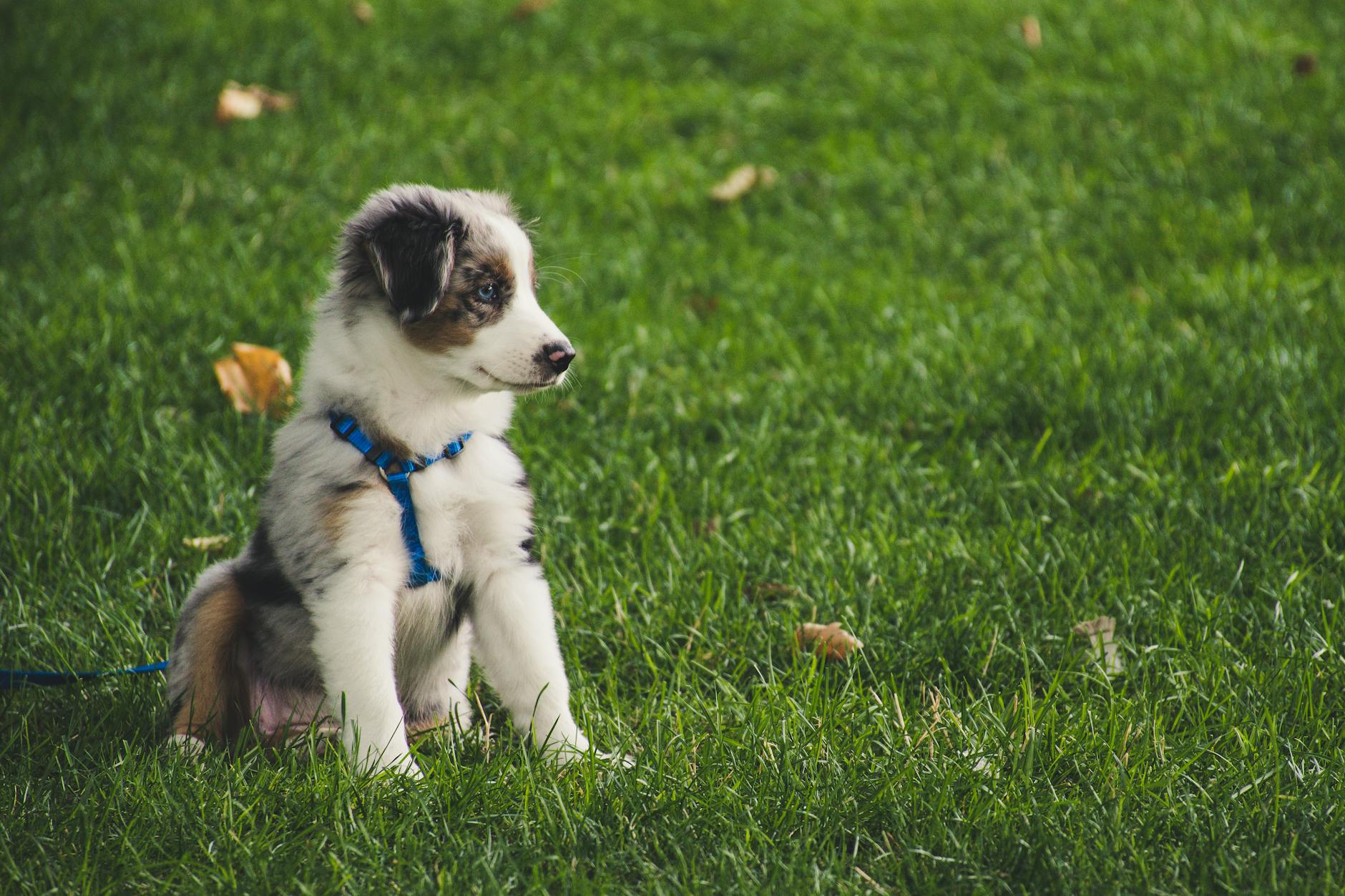
Week 7 Focus: Controlled Exposure & Social Development
This period emphasizes carefully managed exposure to new environments, people, and situations to develop a confident, well-adjusted adult dog.
Key Training Activities:
- Begin car travel with short, positive trips
- Practice calm greetings with unfamiliar but dog-friendly people
- Introduce controlled interaction with well-vaccinated, puppy-appropriate dogs
- Practice commands in new indoor environments (pet store, friend’s home)
- Begin “look at me” attention exercises around mild distractions
- Increase duration of alone time gradually with monitoring
- Practice handling by unfamiliar (but friendly) people
Week 7 Success Milestones:
- Rides calmly in car for 10-15 minute trips
- Greets new people calmly with minimal jumping
- Maintains sit-stay for 30 seconds with you at 5-foot distance
- Responds to name in new environments 60% of time
- Recovers quickly from startling stimuli within 5-10 seconds
- Shows appropriate play behavior with other dogs
Week 8 Focus: Real-World Application & Reliability Building
Apply learned skills in more challenging environments while continuing to build duration and reliability.
Key Training Activities:
- Practice recalls in enclosed areas with increased distance
- Introduce “heel” position for focused walking segments
- Begin longer separation training with enrichment activities
- Practice commands in increasingly distracting environments
- Continue socialization with diverse people and friendly dogs
- Introduce novel sounds and sights in controlled manner
- Begin off-leash reliability in secure, enclosed areas
Week 8 Success Milestones:
- Comes when called in enclosed area from 15-20 feet away
- Walks in “heel” position for 20-30 second intervals
- Settles calmly when alone for 30-45 minutes
- Performs sit/down/stay in new environments 60% of time
- Demonstrates appropriate greeting behavior with new dogs
- Shows curiosity rather than fear with novel stimuli
Weeks 9-10: Reliability & Real-World Application
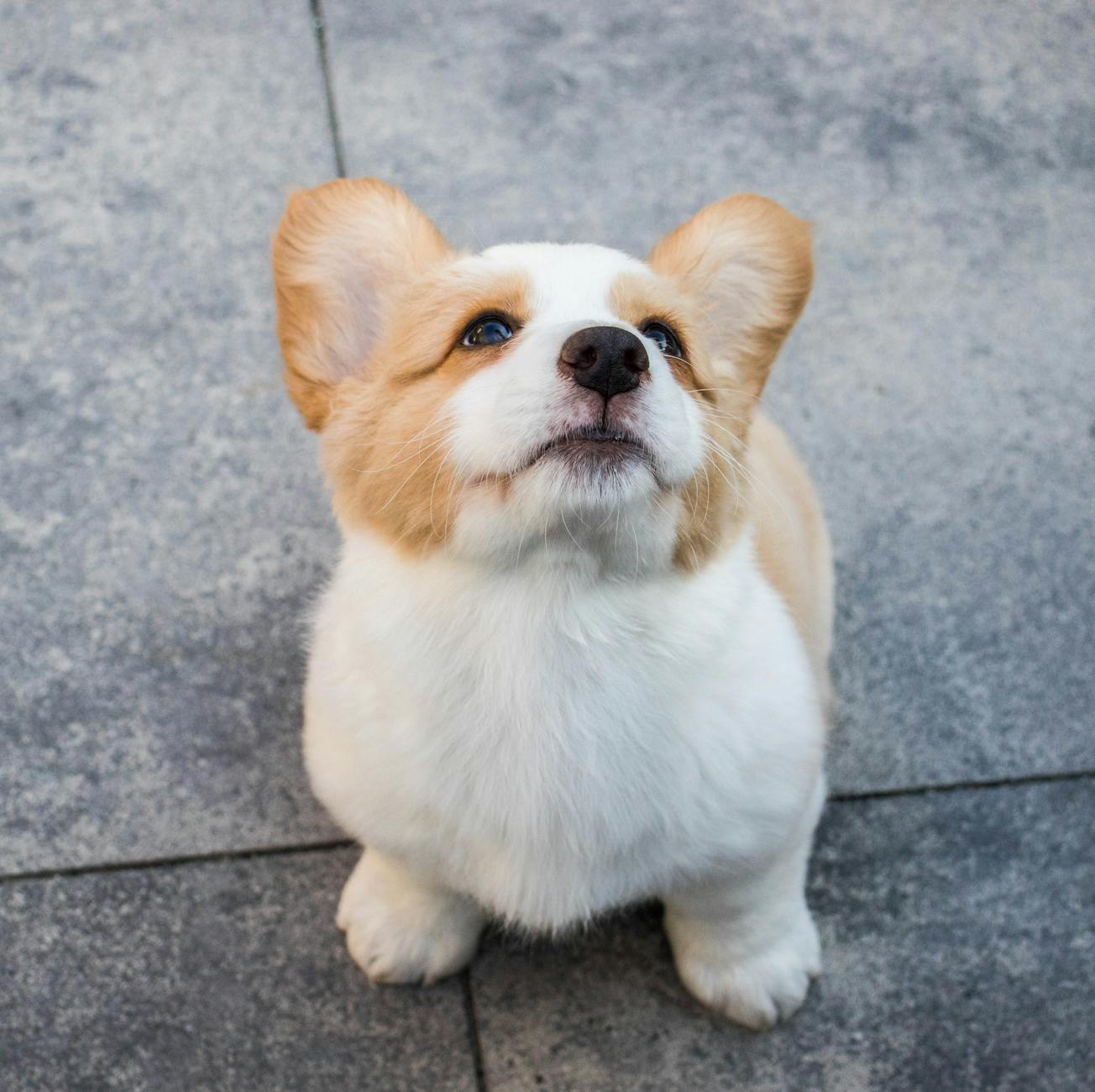
Week 9 Focus: Distraction Training & Response Reliability
During this period, focus on strengthening your puppy’s ability to respond to commands in increasingly challenging environments while building duration and distance.
Key Training Activities:
- Practice all basic commands with moderate environmental distractions
- Begin “leave it” with high-value food items at a distance
- Introduce formal loose-leash walking technique with direction changes
- Practice stays with you moving out of sight briefly
- Work on three-minute settled behavior on mat in new environments
- Continue socialization in pet-friendly public spaces
- Begin off-leash recalls in secure areas using long line for safety
Week 9 Success Milestones:
- Maintains stay position for 45 seconds with distractions
- Performs reliable “leave it” with food items at 3-foot distance
- Walks on loose leash for 3-5 minutes with occasional check-ins
- Settles on mat for 3 minutes in new environments
- Comes when called with 15-foot long line 70% of the time
- Greets strangers calmly with all four paws on ground
- Shows minimal reaction to unexpected environmental stimuli
Week 10 Focus: Command Chaining & Advanced Impulse Control
Build complexity in training by beginning to chain commands together and increasing the challenge level of impulse control exercises.
Key Training Activities:
- Introduce command sequences (sit-down-sit or sit-stay-come)
- Practice door manners with increasing distraction levels
- Begin “place” command for sending to bed/mat from distance
- Work on sustained loose-leash walking in moderate-distraction environments
- Practice greeting visitors at door with calm behavior
- Introduce brief off-leash following in enclosed areas
- Begin sustained handling sessions for grooming preparation
Week 10 Success Milestones:
- Performs two-command sequences reliably 70% of the time
- Holds “place” position on bed/mat for 2-3 minutes
- Demonstrates consistent door manners with familiar visitors
- Walks on loose leash for 70% of a 10-minute walk
- Shows calm settle behavior within 30 seconds when requested
- Returns to you off-leash in enclosed area with minimal distractions
- Tolerates full body brushing session for 3-5 minutes
Weeks 11-12: Consistency, Refinement & Problem-Solving

Week 11 Focus: Proofing Behaviors & Reducing Reinforcement
Begin transitioning from consistent treats to intermittent reinforcement while maintaining reliability across various environments.
Key Training Activities:
- Practice all commands with variable reward schedule
- Introduce “wait” at street crossings during walks
- Work on calm behavior around high-distraction environments
- Practice longer duration stays (1-2 minutes) in new locations
- Begin more challenging socialization scenarios (busy parks, outdoor cafés)
- Work on distance commands from 10-15 feet away
- Practice settle behavior during family meals or activities
Week 11 Success Milestones:
- Responds to commands with intermittent rewards 80% of time
- Maintains positions despite environmental distractions
- Walks with loose leash past moderate distractions
- Performs reliable recalls from 20-30 feet on long line
- Settles calmly during family activities for 15-20 minutes
- Shows appropriate behavior with various types of dogs
- Waits calmly at curbs during walks without prompting
Week 12 Focus: Polishing Skills & Preparing for Adolescence
Solidify trained behaviors while preparing for the approaching adolescent phase where some regression may occur.
Key Training Activities:
- Practice all commands with primary reliance on verbal cues
- Work on longer-duration stays with significant distractions
- Proof all behaviors in various locations and environments
- Introduce advanced impulse control work around high-value rewards
- Practice calm greetings with unfamiliar visitors
- Fine-tune loose-leash walking in high-distraction environments
- Begin preparing for possible adolescent regression
Week 12 Success Milestones:
- Responds reliably to verbal cues with minimal hand signals
- Maintains 2-minute stays despite distractions
- Performs solid recalls in various environments
- Walks politely on leash for entire walks with brief check-ins
- Settles calmly in public settings with minimal guidance
- Shows consistently appropriate interactions with other dogs
- Demonstrates self-control around high-value resources
Beyond 90 Days: Future Training Roadmap

Navigating Puppy Adolescence (4-12 months)
The adolescent period represents a challenging phase where puppies may test boundaries and temporarily “forget” previously mastered skills. This section helps owners prepare for and navigate this developmental stage successfully.
Common Adolescent Challenges:
- Selective hearing: Previously reliable recalls become inconsistent
- Renewed testing of boundaries: Pushing limits with established rules
- Increased environmental sensitivity: Possible fear periods emerging
- Heightened territorial behavior: Changes in alert barking or protectiveness
- Sexual maturity changes: Altered interactions with other dogs
- Energy level fluctuations: Changes in exercise requirements
Adolescent Management Strategies:
- Maintain consistent training with refreshers on basic skills
- Use higher-value rewards during known regression periods
- Implement a “back to basics” approach when needed
- Provide appropriate physical and mental exercise outlets
- Consider structured training classes specifically for adolescent dogs
- Practice patience and avoid punitive responses to temporary backsliding
- Continue socialization with focus on positive dog-dog interactions
Building Advanced Skills (12+ months)
Once your dog has matured and mastered basic obedience, you can explore more complex training objectives based on your dog’s temperament and your interests.
Potential Advanced Training Directions:
- Reliable off-leash control: Building distance control in various environments
- Advanced trick training: Building complexity and chains of behaviors
- Specialized activities based on breed tendencies:
- Scent work for dogs with strong olfactory drive
- Agility basics for athletic, energetic breeds
- Retrieving games for retriever breeds
- Herding introductions for herding breeds
- Therapy dog preparation: For dogs with appropriate temperament
- Canine Good Citizen certification: As validation of thorough training
Lifelong Training Maintenance:
- Regular skill refreshers to prevent deterioration
- Continued mental stimulation through new challenges
- Ongoing socialization to maintain dog-dog skills
- Adaptations for aging as your dog enters senior years
- Cross-training in multiple disciplines for mental flexibility
Common Puppy Training Challenges & Proven Solutions
Stubborn Potty Training Issues
Troubleshooting for puppies still struggling with consistent house training by 12 weeks.
Common Causes:
- Inconsistent monitoring and scheduling
- Insufficient cleaning of accident areas
- Medical issues (UTIs, digestive problems)
- Over-reliance on pee pads creating surface preferences
- Incomplete understanding of elimination needs
Effective Solutions:
- Return to strict scheduling with hourly outdoor opportunities
- Detailed accident log to identify patterns
- Veterinary check to rule out medical causes
- Enzymatic cleaner application with blocking access to accident areas
- Increased positive reinforcement for outdoor elimination
- Consider bell training for improved communication
- Temporary tethering to prevent unsupervised accidents
Persistent Biting and Mouthing Problems
Addressing puppies who continue excessive mouthing behavior beyond expected developmental stages.
Contributing Factors:
- Insufficient bite inhibition development
- Overtiredness or overstimulation
- Inconsistent responses from family members
- Inadvertent reinforcement of biting behavior
- Limited appropriate chewing outlets
Comprehensive Management Plan:
- Implement consistent “ouch and pause” response from all family members
- Ensure adequate sleep (18-20 hours daily for young puppies)
- Structured replacement training with appropriate chew toys
- Identify and avoid trigger situations that escalate mouthing
- Use appropriate management tools (bitter apple spray, tethering)
- Institute mandatory “time-outs” for over-aroused behavior
- Increase structured exercise and mental stimulation
Addressing Early Separation Anxiety Signs
Identifying and managing early indicators of unhealthy attachment before they become entrenched problems.
Warning Signs:
- Distress when owner moves between rooms
- Inability to settle when alone for even brief periods
- Excessive vocalization when barriers prevent following
- Destructive behavior when left alone
- Self-soothing behaviors (excessive licking, tail-chasing)
- Intense greeting behaviors even after brief separations
Preventative Protocol:
- Create positive associations with separation using food puzzles
- Implement systematic desensitization to departure cues
- Practice planned absences with gradually increasing duration
- Provide appropriate confinement training with positive associations
- Consider adaptogenic supplements under veterinary guidance
- Establish predictable alone-time routines from early weeks
- Create environmental enrichment specifically for alone time
Advanced Training Concepts & Special Situations
Positive Reinforcement Training: Science and Application
Understanding the underlying principles that make reward-based training effective for long-term behavior modification.
Key Principles:
- The role of timing in effective reinforcement
- Primary versus secondary reinforcers
- Continuous versus intermittent reinforcement scheduling
- The four quadrants of operant conditioning
- Marker training precision techniques
- The extinction process and handling extinction bursts
- Creating and maintaining behavioral chains
Practical Applications:
- Selecting appropriate rewards for different training scenarios
- Using properly timed markers (clickers or verbal markers)
- Implementing strategic reinforcement schedules
- Addressing unwanted behaviors through management and redirection
- Understanding the science behind motivation and drive
Multi-Dog Household Training Considerations
Special training approaches for homes with existing dogs or multiple puppies.
Training Challenges:
- Resource guarding development between dogs
- Maintaining individual training progress
- Preventing competitive or bullying behaviors
- Managing different training levels and needs
- Appropriate play supervision and intervention
Management Strategies:
- Separate training sessions for individual skill development
- Structured parallel training for compatible behaviors
- Resource management protocols to prevent guarding
- Carefully managed social interactions with monitoring
- Creating separate spaces when needed for rest or security
- Training specific boundaries and “place” behaviors for each dog
- Implementing structured group behavior expectations
Special Needs Puppy Considerations
Adaptations for puppies with physical limitations, sensory deficits, or behavioral challenges.
Common Special Needs Categories:
- Congenital physical limitations affecting mobility
- Hearing or vision impairments
- Significant fear or anxiety predispositions
- Medical conditions requiring specialized handling
- Rescue puppies with limited early socialization
Adapted Training Approaches:
- Modified signal systems for deaf or blind puppies
- Environmental modifications for mobility-challenged puppies
- Extended or specialized socialization protocols for fearful puppies
- Cooperative care training for medically-involved puppies
- Identifying professional support resources for specialized needs
Essential Training Tools and Equipment Guide
Training Treat Selection and Usage
Strategic approaches to using food rewards effectively without creating dependency or weight issues.
Treat Categories and Applications:
- High-value treats: When to use these premium motivators
- Everyday training treats: Balancing value and caloric impact
- Using meal kibble as training rewards
- Non-food rewards: Identifying effective alternatives
- Treat pouch options for convenient access during training
Treat Delivery Techniques:
- Proper hand position to prevent nipping
- Strategic placement for position-specific behaviors
- Luring versus rewarding techniques
- Gradual treat fading methodology
- Caloric tracking to prevent overfeeding
Selecting Appropriate Training Equipment
Guide to choosing tools that support positive training methods while addressing specific needs.
Essential Equipment Categories:
- Harness options:
- Front-clip designs for pullers
- Back-clip styles for comfortable walking
- Step-in versus overhead designs
- Proper fitting and sizing guidance
- Leash varieties:
- Standard 6-foot for everyday training
- Traffic leads for close control
- Long-lines for distance work
- Materials and durability considerations
- Crates and containment:
- Wire versus plastic considerations
- Sizing guidelines for different breeds
- Exercise pen configurations and uses
- Travel crate options
- Training-specific tools:
- Clickers and marker devices
- Target sticks and their applications
- Treat pouches and accessibility
- Training mats and stations
Comprehensive Puppy Training FAQ
- How long should training sessions last for a 10-week-old puppy? Formal sessions should last only 3-5 minutes with multiple sessions throughout the day, totaling 15-20 minutes of focused training daily.
- My puppy knows commands at home but ignores them elsewhere. What am I doing wrong? This common “generalization” challenge requires practicing skills in multiple environments with gradually increasing distractions.
- When should I transition from food rewards to praise alone? Food rewards should be gradually reduced rather than eliminated, moving to intermittent reinforcement over many months.
- How do I stop my puppy from jumping on guests? Implement a consistent alternative behavior (like sitting for greetings), manage initial interactions with leashes, and ensure all guests follow your training protocol.
- Should I use a crate for house training my puppy? Crates are highly effective house training tools when used properly, providing supervision during vulnerable times and establishing bladder control.
- My puppy is afraid of certain objects/people. How should I respond? Use counterconditioning techniques by pairing feared stimuli with positive experiences, maintaining distance at first and gradually decreasing it as comfort improves.
- How do I handle puppy vaccination periods and socialization needs? Balance disease protection with critical socialization by using carrier-based exposures, controlled environments, and interactions with fully vaccinated dogs.
- At what age should my puppy reliably respond to commands? Expect 70-80% reliability in familiar environments by 16-20 weeks, with continued improvement and generalization developing over the first year.
Conclusion: Building Your Lifelong Canine Partnership
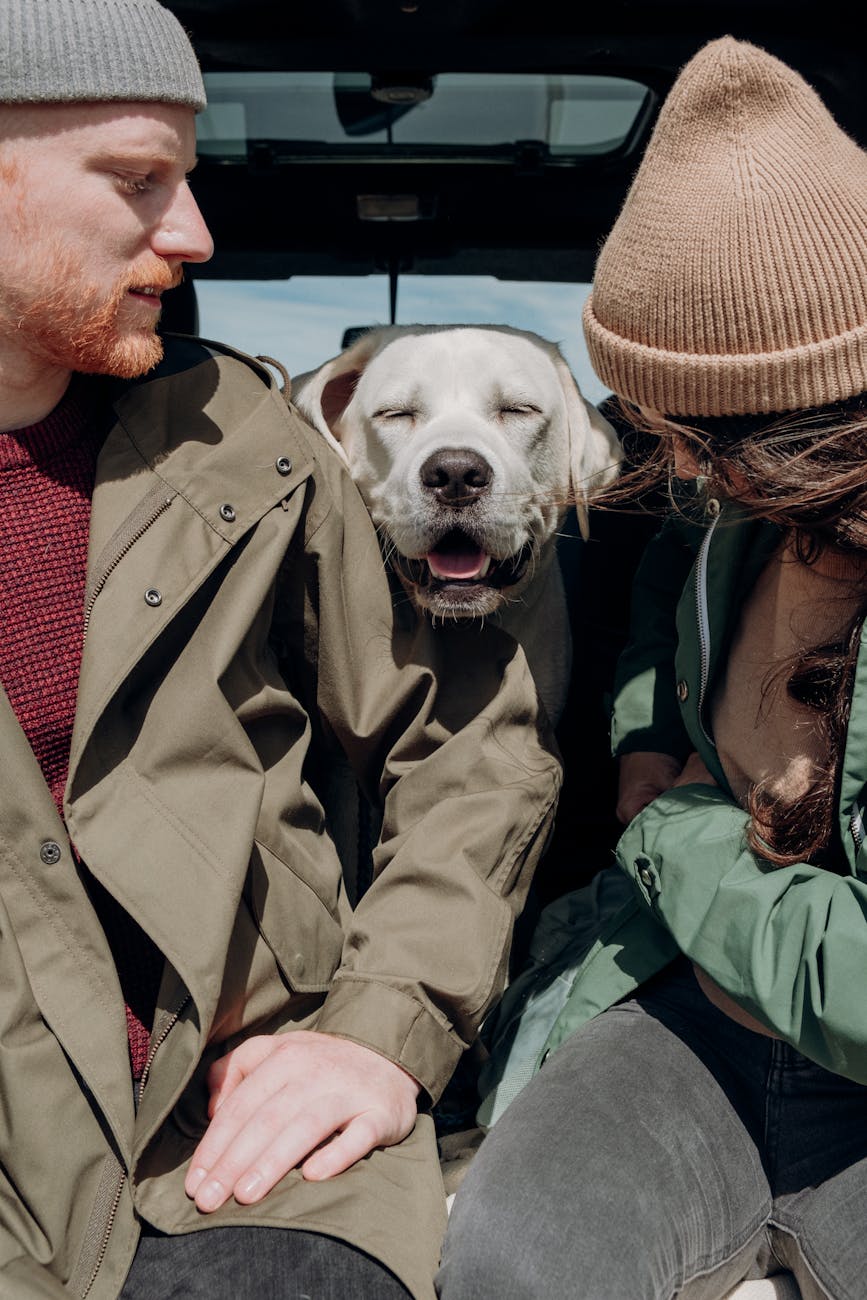
The investment you make during your puppy’s first 90 days creates the foundation for your entire relationship. By following this structured timeline and respecting your puppy’s developmental stages, you’re not just teaching commands—you’re building communication, trust, and a shared language that will serve you throughout your life together.
Remember that training is never truly “finished.” The best human-canine relationships involve ongoing learning, adaptation, and growth on both sides. By establishing clear, consistent, and positive training patterns early, you set the stage for a lifetime of successful communication and cooperation with your canine companion.
Most importantly, enjoy this special time with your puppy. While training requires consistency and sometimes patience during challenges, it should ultimately strengthen your bond and create joyful shared experiences. The effort you invest now will be repaid many times over in the years of companionship ahead.
 JoggerPups
Leave a comment